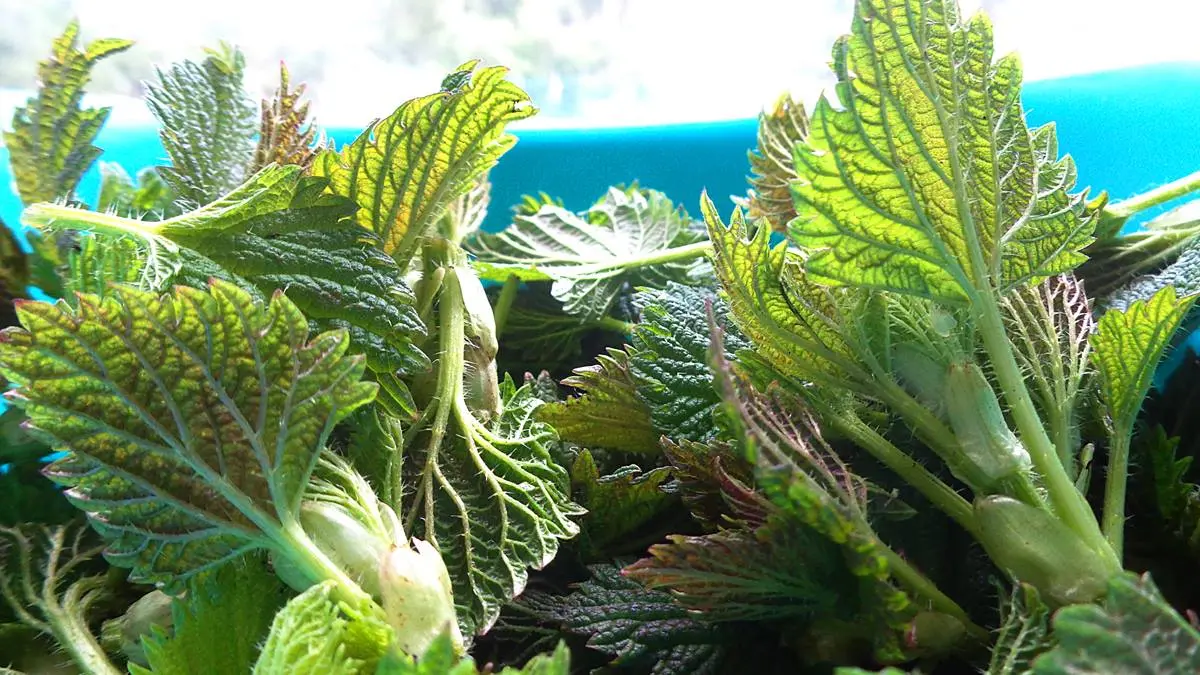
Spring is here! Many of these plants are already popping up with the warm weather. Here’s a often updated guide with what to look out while:
Foraging this week on Vancouver Island:
May 12th, 2026 – Dandelions & Maple Blossoms are here — and both great for tempura! pssst: dandelions make great wine & beer.
For teas: blackberry leaves are young and flavorful at this time.
Mushrooms: Reports of Morels are still coming, but at higher elevations. Also keep an eye out for Oyster Mushrooms, they will flush when temps hover around 10℃ overnight.
Spring Porcini and the Prince (Agaricus) are a few things I’m keeping an eye out for when I’m hiking.Turkey Tail, too.
Check back for updates, or leave a comment with your own tips!
Below are more detailed guides & photos to some of my fav edible plants you can forage for on Vancouver Island, along with tips on how to find, identify, and cook them.
Note on geography: I generally stick around the areas between Campbell River & Nanaimo, so that is where you’ll find my specific location tips — but all of the plants & mushrooms on this page can be found throughout the island (and Pacific Northwest in general).
Stinging Nettle
Urtica dioica
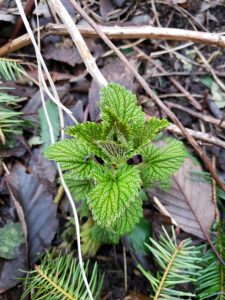
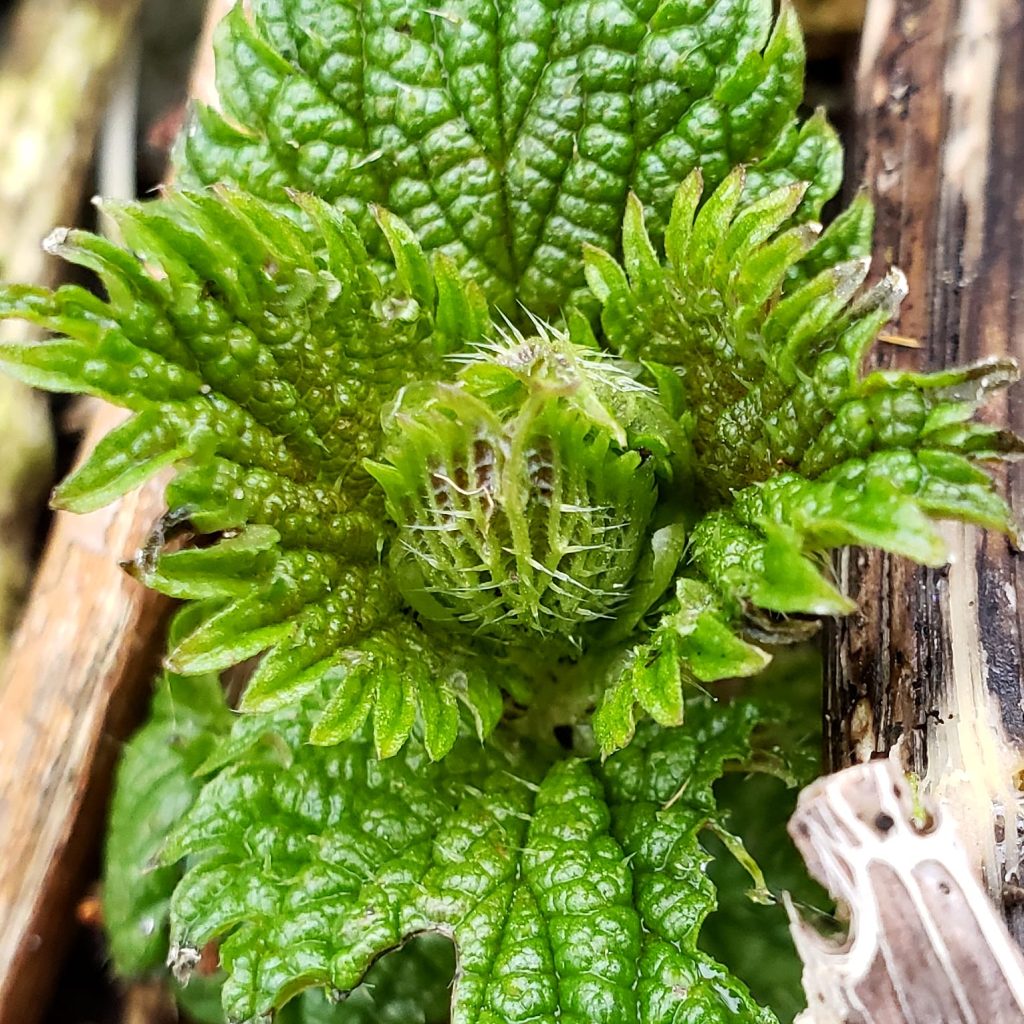
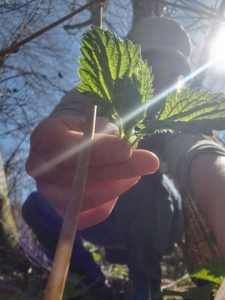
Stinging nettle is one of my favorite forgeable plants. I even grow it in my garden.
Stinging Nettle is a common plant with serrated leaves that can cause a stinging sensation upon contact due to tiny hairs on the leaves.
Despite its sting, Stinging Nettle is a nutritious plant that can be used in cooking after proper preparation. It is rich in vitamins and minerals, making it a nutritious addition to salads, soups, teas, and more.
Finding nettle in Campbell River: Nettle is best when it’s young. Comes up in early spring (usually starts in Feb). Grows in patches, often near streams.
I’ve found nettle near Simms creek, in Beaver Lodge Lands, near the Quinsam river, in greenways around Willow Point, the Sportsplex woods, and a few other places. There is also a giant patch at the beach near the Japanese Arch– but kind of hard to get because of blackberries.
You can read about Stinging Nettle on Eat Drink Breath, a local chef and good friend’s website.
Lady Fern Fiddleheads
Athyrium filix-femina
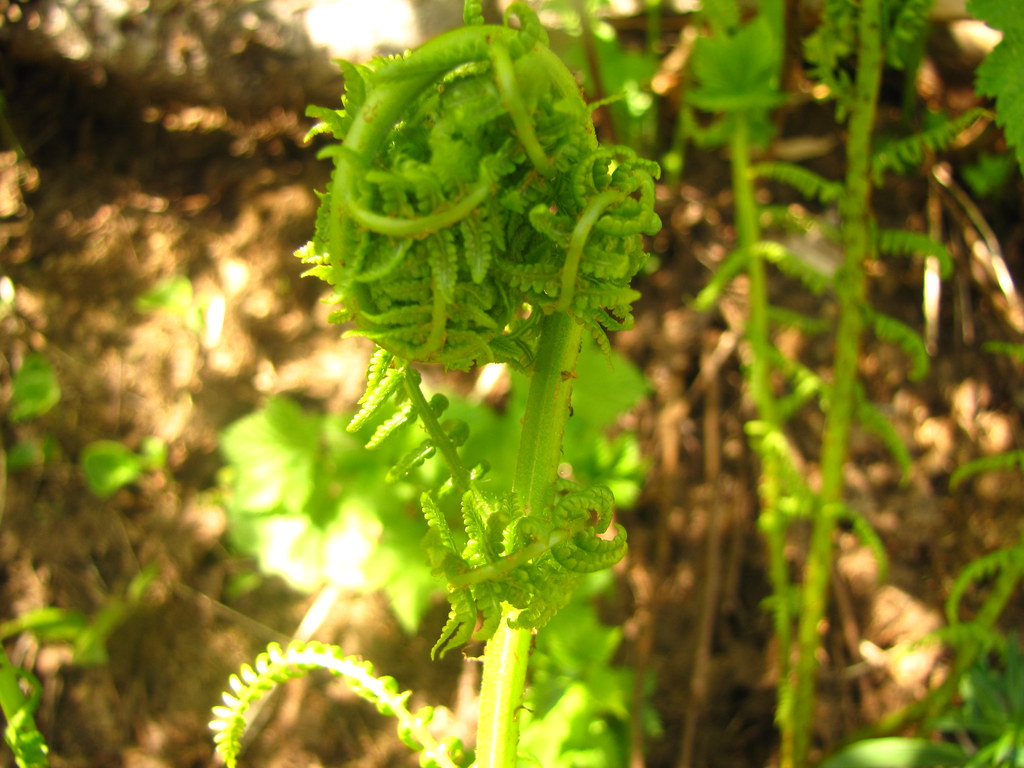
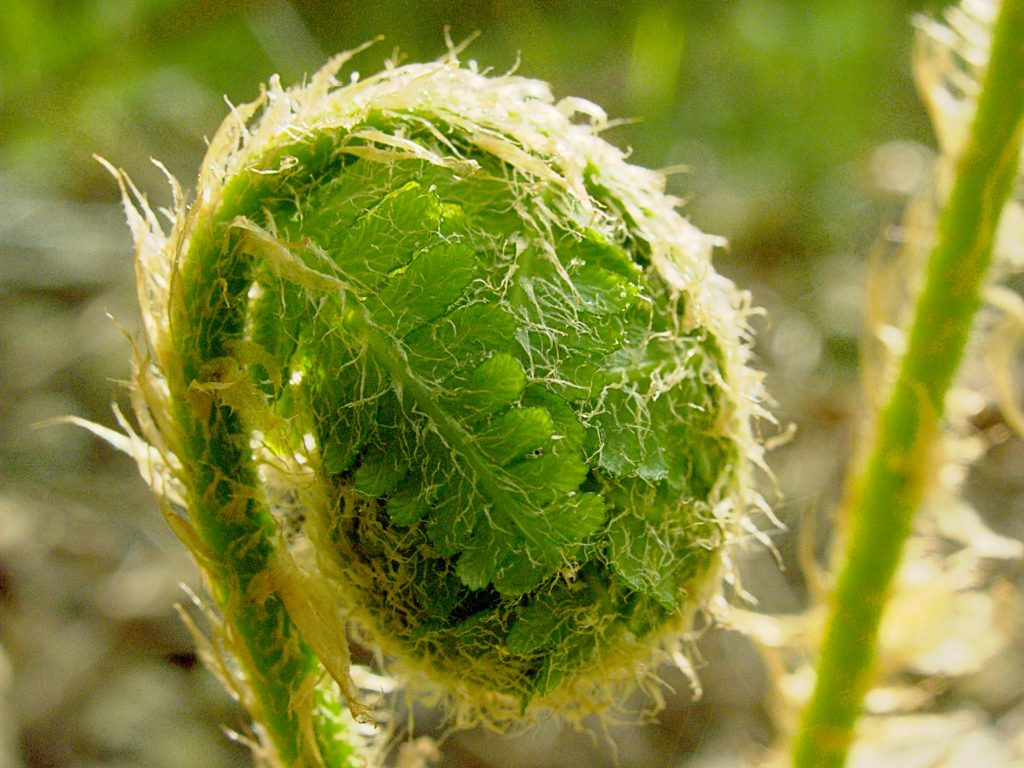
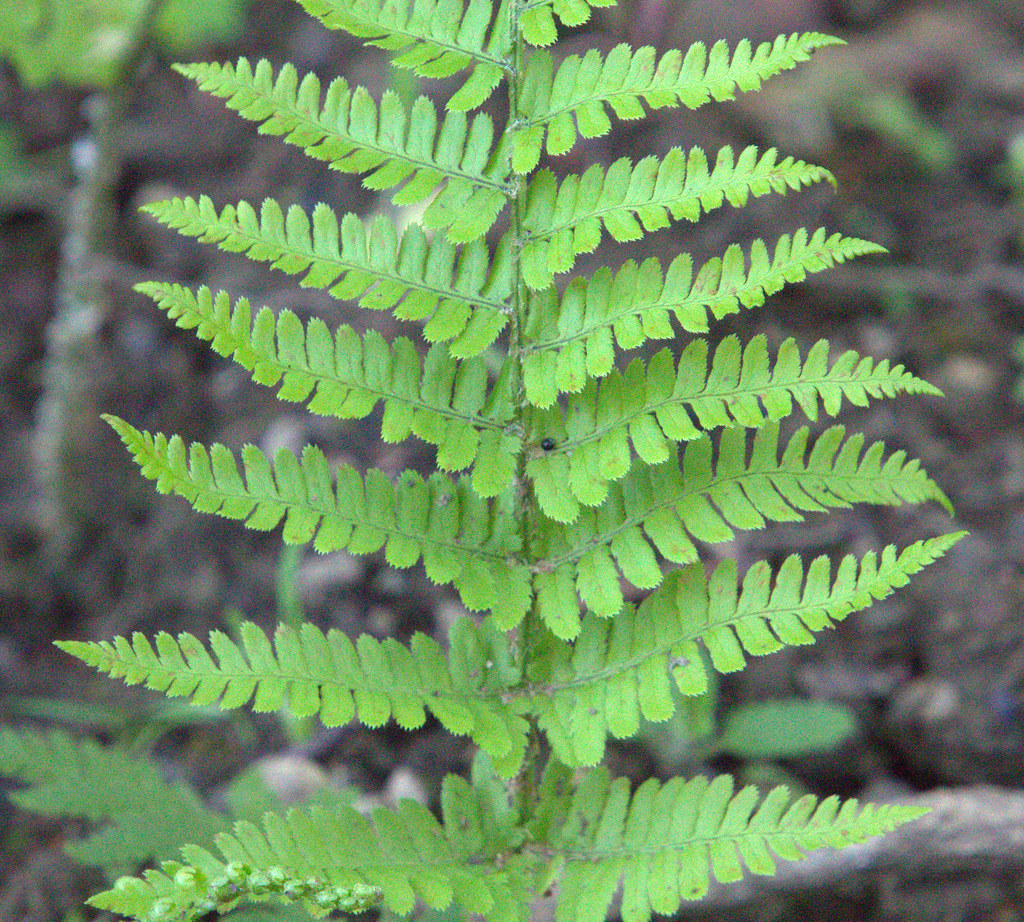
Lady Fern is a graceful fern with delicate fronds that are edible and have a mild, slightly bitter flavor.
The young fiddleheads of Lady Fern can be harvested in the spring and used in various culinary dishes. They can be sautéed, steamed, or added to salads for a unique taste and texture.
Lady Fern fiddleheads are a lot of work to clean, tiny after cleaning, and have an extremely short window of time when they are good to forage (the fiddleheads need to be closed and tight). However, they are delicious, better than the East Coast fiddleheads in my opinion. I think they taste like a mild asparagus.
Where to find Lady Fern in Campbell River: Next to streams. I’ve found many in the area surrounding the Sportsplex near the stream.
Bittercress
Cardamine hirsuta
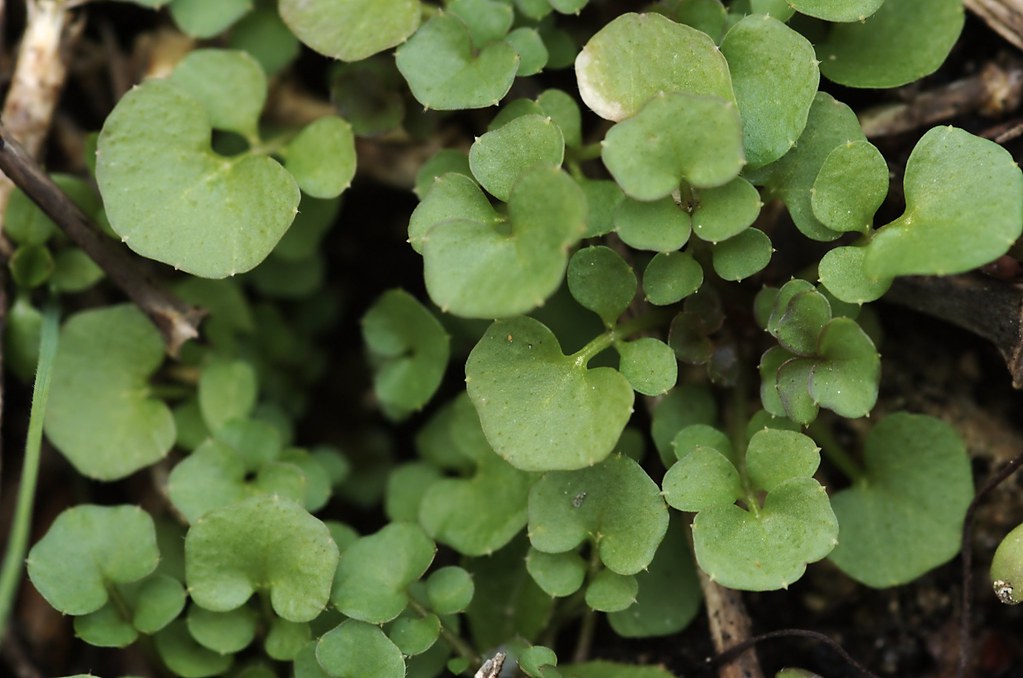
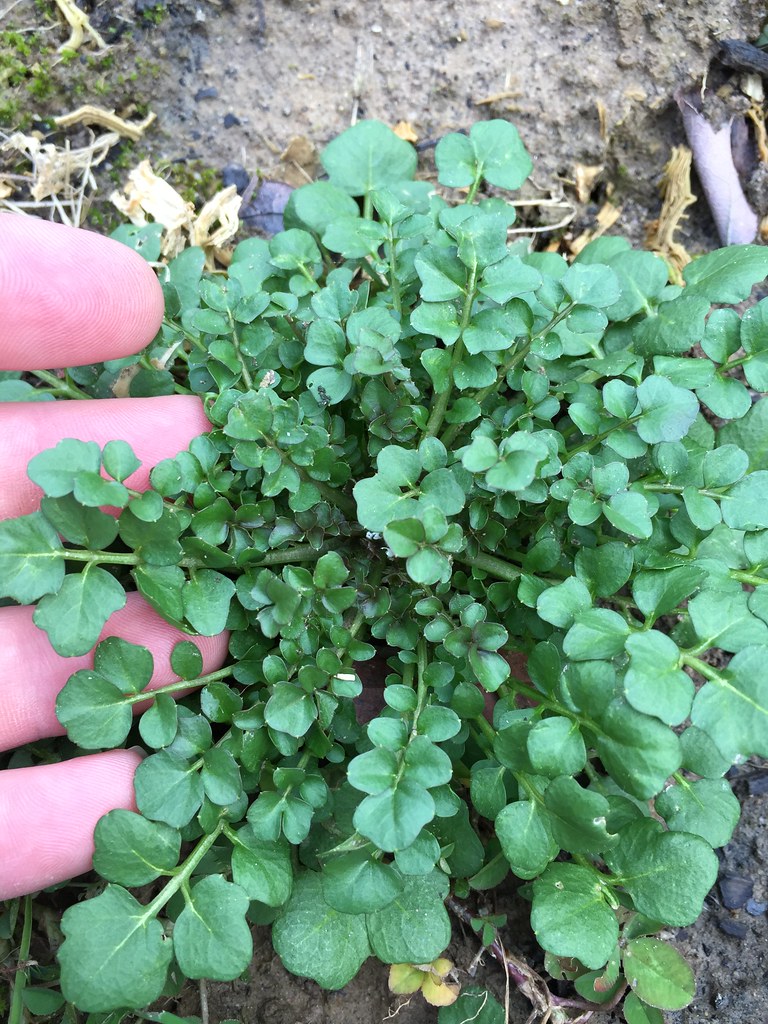
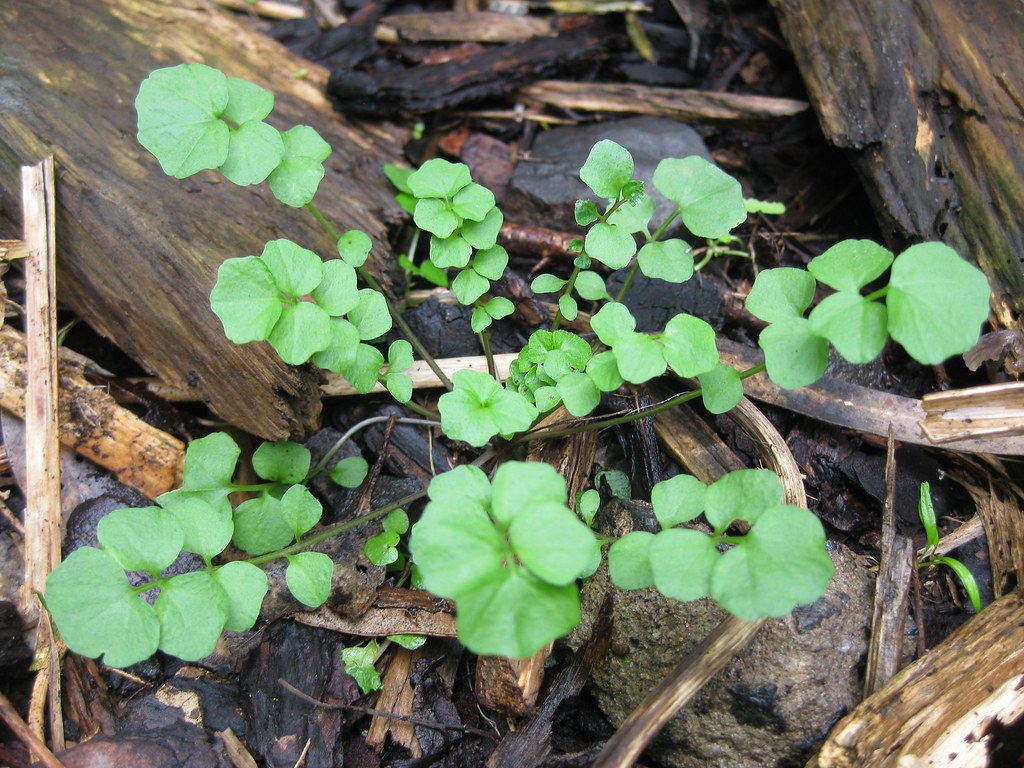
Bittercress, also known as hairy bittercress, is a common edible weed with small, lobed leaves and tiny white flowers.
Bittercress is one of the first plants to come up in the spring. You’ll find them in your garden. Most people weed them, but I recommend you eat them.
The leaves have a slightly peppery taste similar to watercress and can be used in salads or as a garnish.
My favorite thing to add bittercress to is potatoes dishes. Whether mashed, fried, or in a potato salad; I find that all of these are great with the addition of bittercress. I also like adding bittercress to my italian meatball recipe at this time of year.
Bittercress in Campbell River: These are everywhere. Look in your garden.
Siberian Miner’s Lettuce
Claytonia sibirica
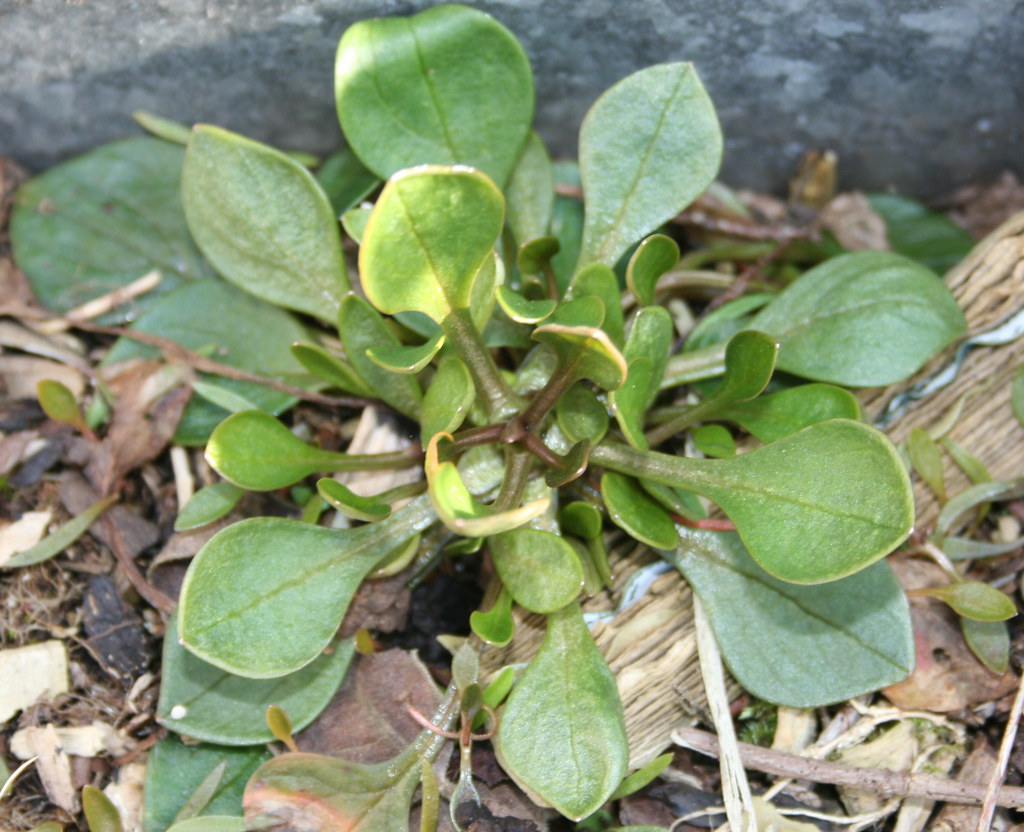
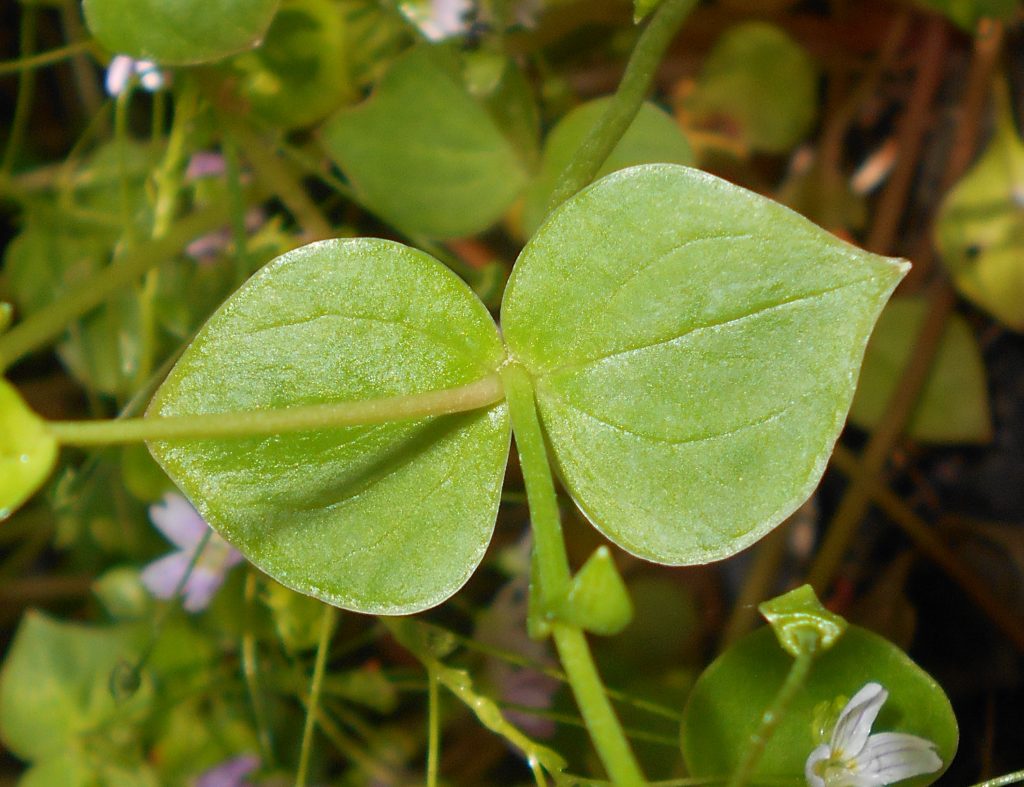
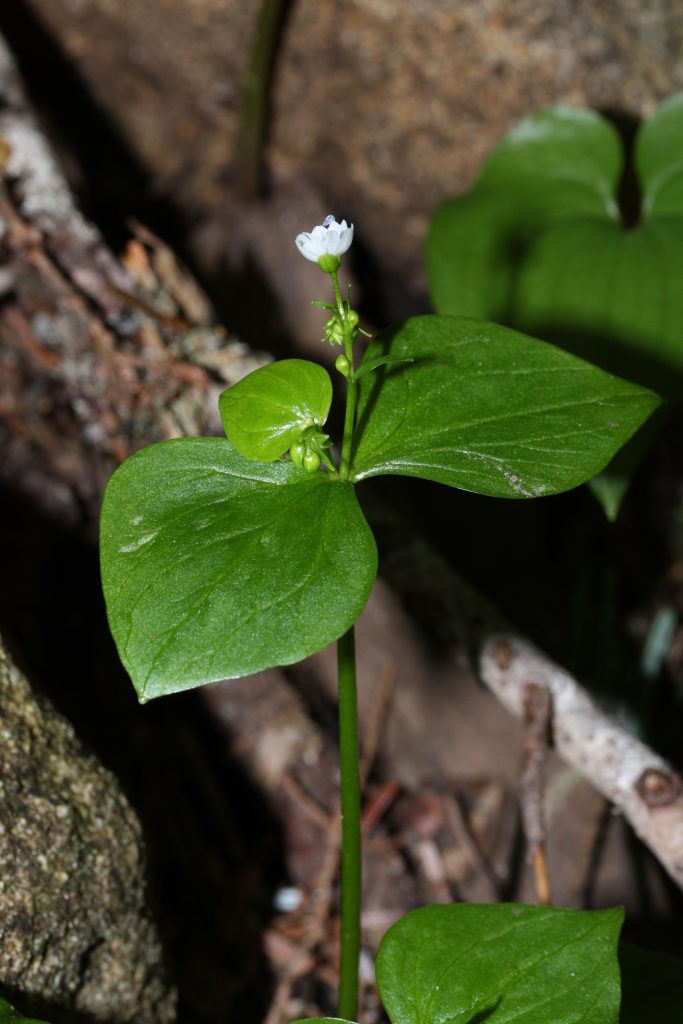
Siberian Miner’s Lettuce, is a succulent plant with tender, arrow-shaped leaves and (eventually) small white flowers.
The leaves have a mild, refreshing flavor and can be eaten raw in salads or used as a garnish. Siberian Miner’s Lettuce is rich in vitamin C and other nutrients, making it a nutritious addition to meals.
Note: I have never seen the more common type of miners lettuce (Claytonia perfoliata) in Campbell River…only this Siberian variety. But, C. perfoliata is all over the place in Nanaimo.
Foraging Miner’s Lettuce in Campbell River: Very common. Look at the base of Douglas Fir trees in the spring, and you’ll probably see miner’s lettuce.
Siberian Miner’s Lettuce on Wikipedia
Dandelion
Taraxacum officinale
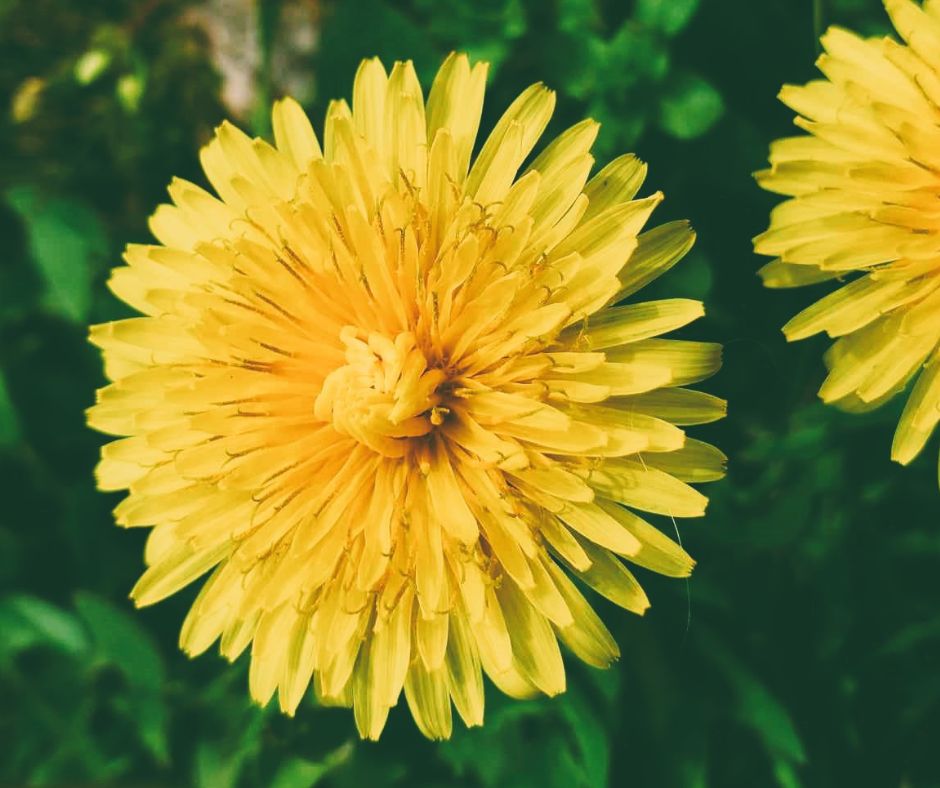
Dandelion is a familiar plant with bright yellow flowers and toothed leaves. It is often considered a weed but has multiple culinary and medicinal uses.
Dandelion greens are rich in vitamins and can be added to salads or cooked as greens. The flowers can be used to make dandelion wine or infused into teas, while the roots have been traditionally used in herbal medicine.
One of my favorite ways to eat dandelions is to batter and fry the flowers. You can read the recipe here.
Mushrooms
While fall is really the best time for most mushrooms on Vancouver Island — spring does have some good options to be on the look out for:
Oyster Mushrooms
Pleurotus ostreatus
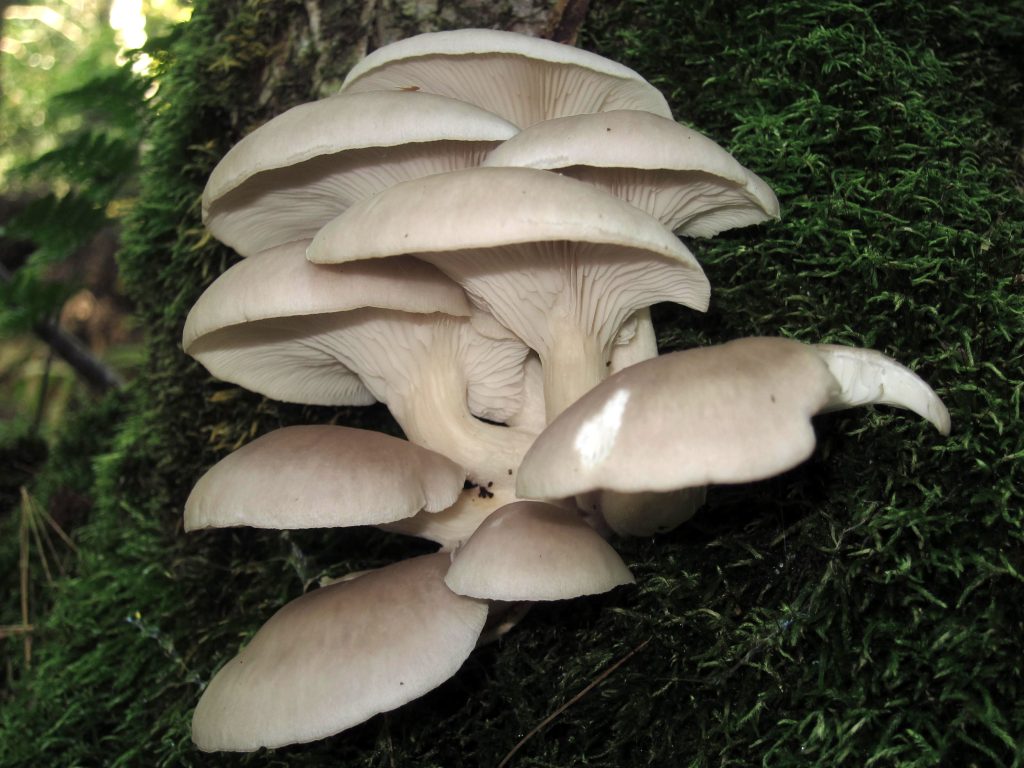
Oyster Mushrooms have a delicate, oyster-like appearance with white to light brown caps that grow in layered clusters on dead or dying hardwood trees.
They can be found year-round (but generally spring and fall) in our temperate forests. When the temperature is about 10°C overnight for a few days, that’s when I’ll notice flushes of oysters.
Learn more about Oyster Mushrooms on Wikipedia
Tips and Notes
❌ Avoid foraging next to roads (where heavy metals have likely accumulated), and also avoid areas that have been treated with pesticides.
✅ Please get a copy of a good plant identification book to confirm any unknown plant before you consume it!